 The 1954 battlefield, mountain roads and villages of Dien Bien, explained in English
This guide
About this guide and how we check it
Dien Bien Tourism is an independent English-language guide to Dien Bien province for visitors from abroad. This page explains what we cover, where our facts come from, what the dates mean, how advertising is kept apart from the text, what we do badly, and how to correct us.
Who writes it
The pages are researched and written by the Dien Bien Tourism editors, who appear as the author on every page. The guide is written in English for international readers: people planning a visit to the battlefield, riding the northwest loop, or crossing into Laos, who need practical detail and an explanation of the 1954 history that does not assume they know it already.
We do not publish in Vietnamese. Readers of Vietnamese have plenty of local sources, and many of the official notices we use are in Vietnamese; our job is to make that information usable for visitors who cannot read them.
What the guide covers, and what it does not
Six subjects: the 1954 battlefield sites and their background; the roads through the province; ethnic villages, markets and etiquette; the Tay Trang crossing to Laos; getting to Dien Bien; and timing, meaning seasons and how many days to spend. Four places have pages of their own: Dien Bien Phu, Muong Phang, Tua Chua and Muong Lay, and A Pa Chai.
We do not sell tours, tickets, transport or rooms, and we take no bookings. We do not publish rankings or lists of businesses, and we do not name tour companies, bus companies, hotels or guides in the text. Businesses mentioned in passing, such as airlines, are independent of this guide. There is no paid placement in the editorial text.
Where the facts come from
We use sources in this order of preference:
- Official notices of the Vietnamese authorities: the provincial relics management board, the provincial People's Council and People's Committee, the National Assembly on administrative units, and the national tourism authority.
- Operators of the infrastructure itself: airlines and the e-visa and eVisa portals of Vietnam and Laos.
- Foreign ministry travel advice, especially the UK Foreign Office, which states its own update date.
- Official histories, such as the French Ministry of the Armed Forces for the French side of 1954.
- Reputable newspapers and independent guides, labelled as such, used where nothing official answers the question.
Where sources disagree, as they do on the distance to Muong Phang, the length of Pha Din pass, casualty figures and the Lao visa at Sop Hun, we show the disagreement rather than choosing the convenient figure. Where we could not find a current source, for example for some site fees, we say so and give a range with a reminder to check.
What the dates mean
Each page shows when it was published and last reviewed. Under every block that contains a fact that can change, an opening hour, a fee, a flight, a bus, a visa rule, there is a source line with a date marked as checked. That is the day an editor read the source and compared it with the page, not the date the site was rebuilt.
A checked date is a statement about our work, not a promise about the rule. Opening hours change, buses are cancelled and border posts apply rules in their own way. Before you travel, open the source and confirm it.
How we write about 1954
The battle is a national victory for Vietnam and a painful defeat for France, and soldiers and civilians from many countries died in it or after it. We describe what happened and what the sites show, give figures from both sides with their origin, and avoid language that presents war as glorious. We do not take positions on the politics of the war.
Advertising
The guide may carry advertising to cover its costs. Ad spaces are labelled "Advertisement" and kept visually separate from the editorial text. Advertisers have no say in what we write, which places we cover or what we say about them, and we do not write sponsored articles. If an ad appears next to a page that discusses the same subject, that is placement by the ad system, not a recommendation.
What we do badly
- Real-time conditions. A road closed by a landslide this morning will not appear here.
- Nationality-specific visa detail. We cover the common cases; check your own passport's rules.
- Hotels, restaurants and prices that change quickly. We give ranges, not listings.
- Languages other than English.
Corrections
If something on a page is wrong, out of date or unclear, tell us through the contact page. The most useful reports say which page and which sentence, what you found instead, when, and where: a link to an official notice, or a description of what happened at a site or border and on what date.
An editor reads every report. When a correction is confirmed, we change the page, update its review date and the checked date of the block concerned, and record significant changes in the log below.
Corrections log
First edition published on 25 October 2026. No corrections recorded yet.
Common questions
Questions readers ask
Who is behind Dien Bien Tourism?
The guide is written by the Dien Bien Tourism editors, named as the author on each page. It is an independent publication and does not sell travel services.
Do businesses pay to appear in the guide?
No. The text does not list or rate businesses, and there is no paid placement in the editorial content. Advertising, where shown, is labelled and kept separate.
Why do some facts cite newspapers or independent guides?
Because on some points, such as bus times or fees at smaller sites, no official source was available. We label those sources so you can judge them.
How do I report a mistake?
Use the form on the contact page or email the editors. Say which page, what is wrong and how you know.
Related
Read next
This guide
Contact
How to send the editors a correction, a question about a page or an advertising enquiry.
Read more
Independent guide to Dien Bien province
Home
Start here: what Dien Bien is, where the main places are and how this guide is organised.
Read more
History · Sites
Battlefield sites
Each 1954 site in the valley explained, with current opening hours, fees and visiting order.
Read more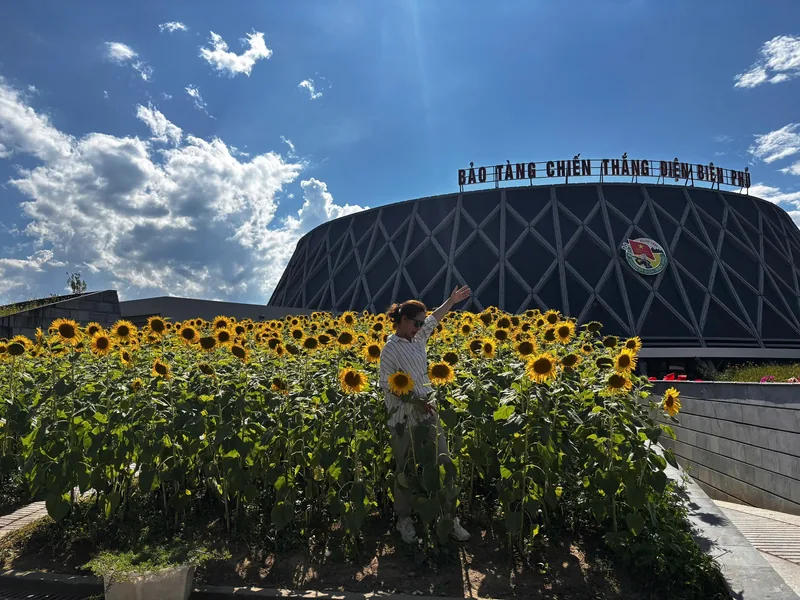
History · Background
The 1954 battle
The battle in brief: background, the 56 days, losses on both sides, and how it is remembered.
Read more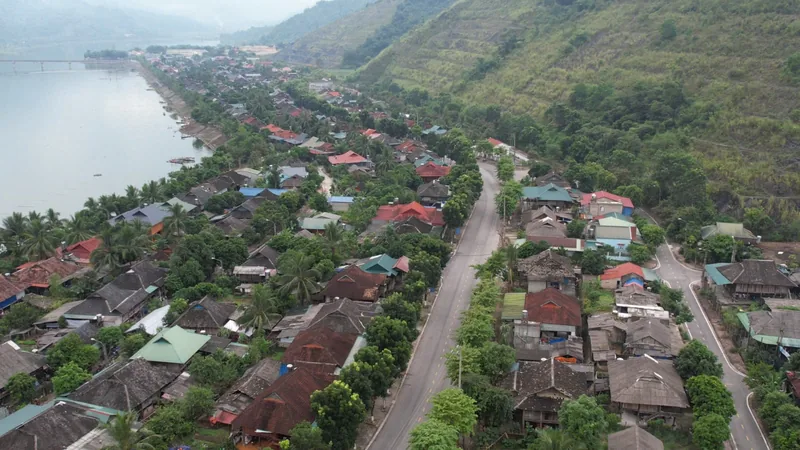
Border · Laos
Tay Trang border
The Tay Trang–Sop Hun crossing: visas on each side, distances, buses, opening times and pitfalls.
Read more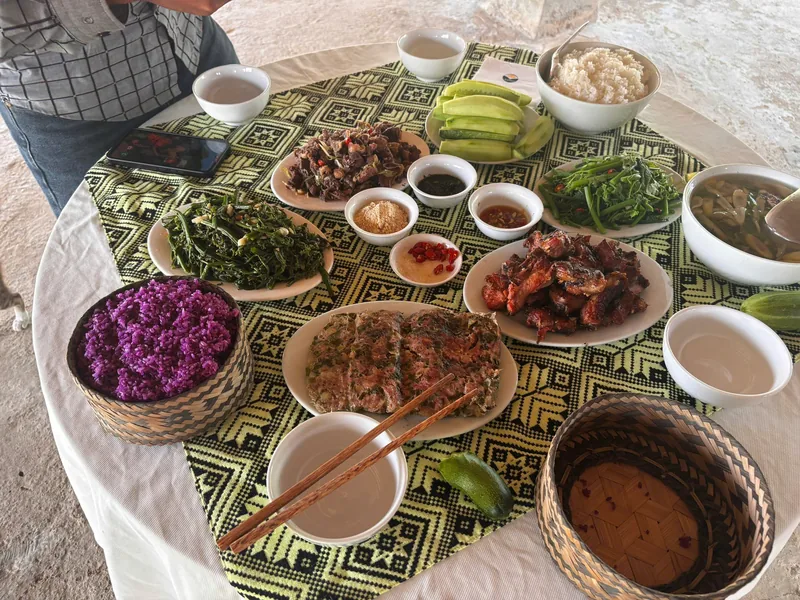
Start planning
Send a correction or a question
Tell us which page you are writing about, what you found and when. A link to an official notice or a photo of a sign helps us check it.