 The 1954 battlefield, mountain roads and villages of Dien Bien, explained in English
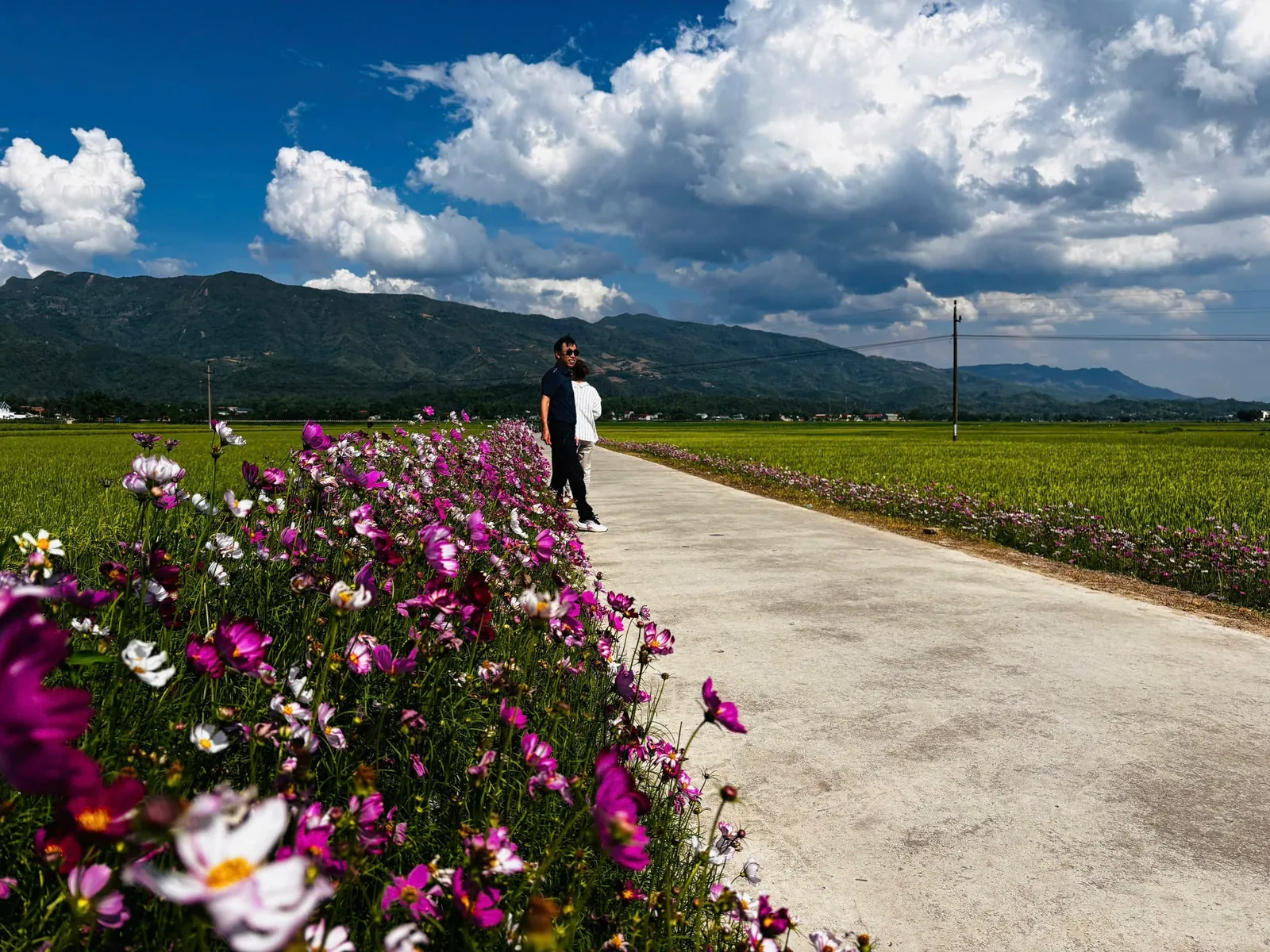
Places · Muong Phang
Muong Phang: the forest where the campaign was planned
In the hills east of the Muong Thanh valley, a forest camp of huts and tunnels served as the headquarters of the Vietnamese command during the 1954 campaign. Today it is a quiet heritage site next to a Black Thai village and a reservoir lake.
At a glance
Sources: VnExpress — Dien Bien travel handbook (December 2023); Rusty Compass — General Giap's headquarters (independent guide, 2017); Vietnam Law Magazine — Dien Bien Phu battlefield relics complex; Bao Van Hoa — Dien Bien Relics Management Board changes opening hours (March 2026); Nghe An newspaper — visiting the General's forest in Muong Phang · last checked .
What Muong Phang is
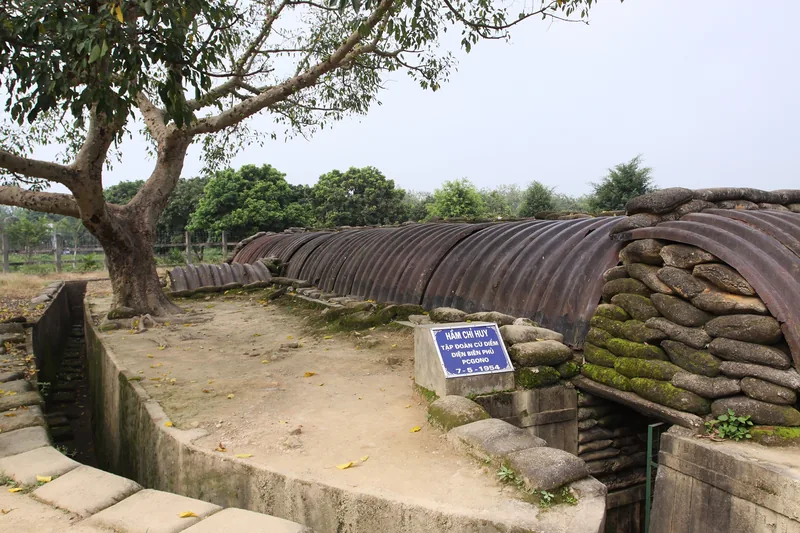
During the campaign of early 1954, the Vietnamese command under General Vo Nguyen Giap ran the battle from a camp hidden in the forest at the foot of Pu Don mountain. From its high points, the French positions on the valley floor, Him Lam, Doc Lap, A1 and others, were in view. The camp consisted of simple wooden and bamboo huts, bunkers and a tunnel through the hillside, under a tree canopy that hid it from aircraft.
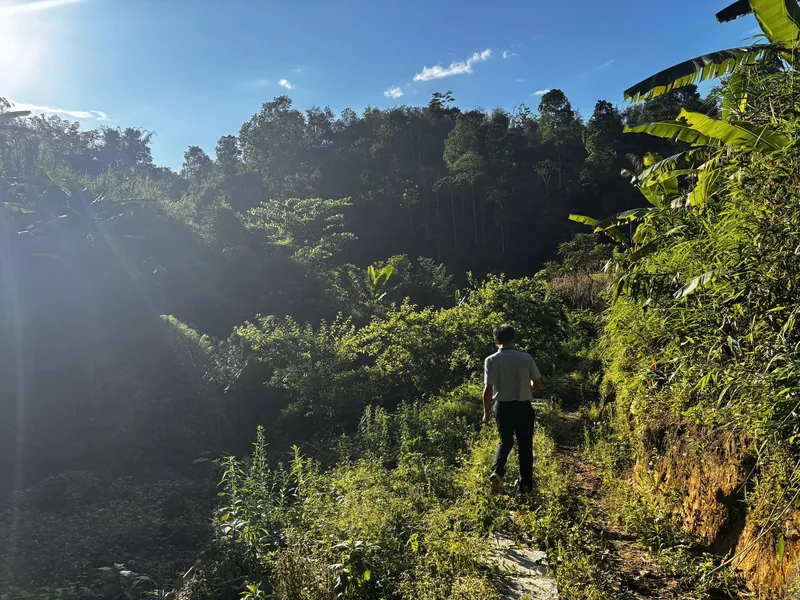
What you see today is a mixture of original ground and reconstruction. Giap's living and working hut, the hut of his chief of staff Hoang Van Thai, a meeting hall where staff conferences were held, and a field kitchen of the Hoang Cam type, which vented smoke along the ground to avoid detection, have been rebuilt on their original sites. A tunnel of about 96 m connects Giap's hut with Hoang Van Thai's. The paths are shaded and quiet, and the site receives far fewer visitors than A1 Hill.
For visitors from abroad, Muong Phang is the clearest place to understand the Vietnamese side of the campaign: how small and improvised the command was, and how much it depended on concealment. It contains no battlefield and few labels in English, so read the background page before you go.
Sources: Nghe An newspaper — visiting the General's forest in Muong Phang; Vietnam Law Magazine — Dien Bien Phu battlefield relics complex; Rusty Compass — General Giap's headquarters (independent guide, 2017) · last checked .
Around the headquarters
Che Can and other Thai villages
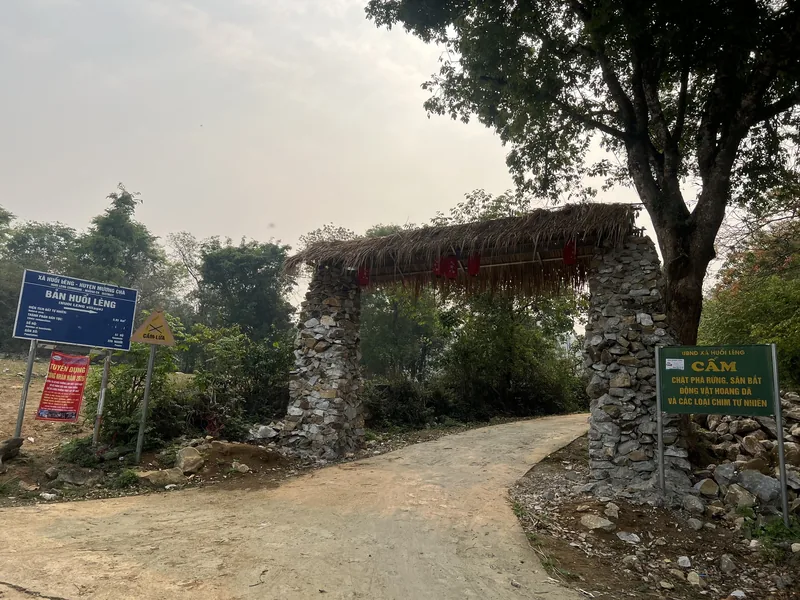
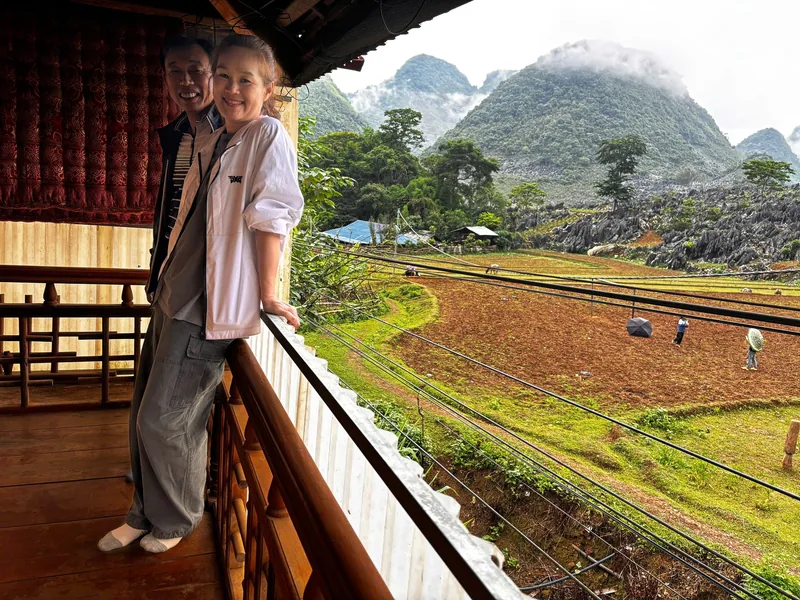
Muong Phang commune is home to Thai, Hmong and Kinh families. Che Can, about 40 km north-east of Dien Bien Phu by road according to the national tourism authority, is a Black Thai village of nearly 100 households, with stilt houses facing the fields and the mountains behind. It is one of the province's community tourism villages, where families offer homestays, meals and, on festival days, xoe dancing. The villages page explains how to visit respectfully.
Pa Khoang lake
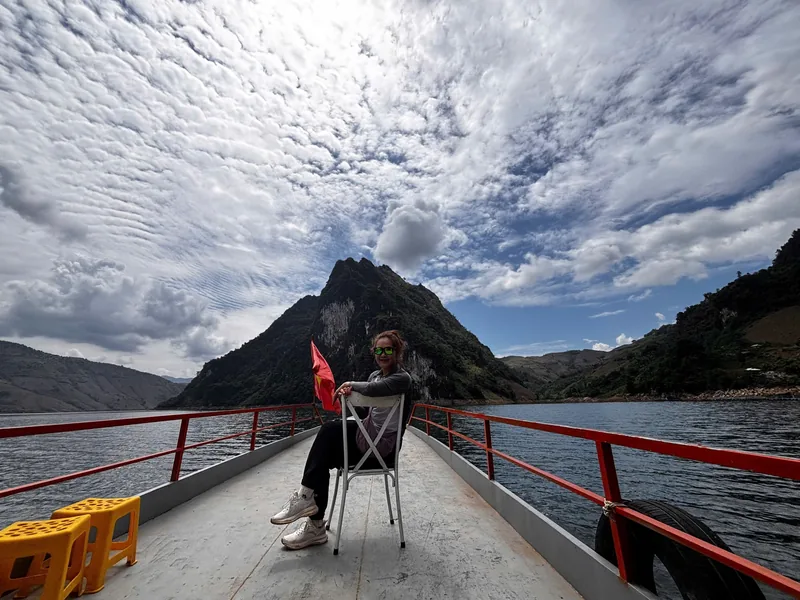
Pa Khoang is a reservoir lake on the road between the valley and Muong Phang. Around Tet, the lunar new year in late January or February, cherry trees on an island in the lake come into blossom and draw domestic visitors. The rest of the year it is a quiet stop with views over the water.
Sources: Vietnam National Authority of Tourism — Che Can village (2012); People's Army newspaper — community-based tourism in Dien Bien; VnExpress — Dien Bien travel handbook (December 2023) · last checked .
How long to spend, and why less does not work
Half a day is enough for the headquarters itself, including the drive. The site opens 07:00–11:00 and from 13:30, so leave town by 07:30 to have a full morning, or by 13:00 for an afternoon visit. Arriving at 10:30 leaves you thirty minutes before the lunch closure, which is not enough to walk the paths.
A full day lets you add Pa Khoang lake and a village lunch. One night in a homestay at Che Can suits travellers who want to see village life in the evening and early morning, which a day trip misses entirely.
Sources: Bao Van Hoa — Dien Bien Relics Management Board changes opening hours (March 2026) · last checked .
When to go
The same seasons apply as in the valley, a little cooler because of the altitude. The dry months from October to April are the most comfortable for the forest paths, which become muddy and slippery in the rains from May to August. The blossom season around Tet is popular with domestic visitors at weekends.
As on the valley sites, a few dates around the 7 May anniversary bring large organised groups. Early mornings on weekdays are the quietest time.
Sources: VnExpress — Dien Bien travel handbook (December 2023) · last checked .
Getting there
There is no public bus that fits a day visit. Visitors go by taxi or ride-hailing car, by hired motorbike, or with a driver arranged through their hotel. The road is paved and climbs into the hills east of the valley. Published distances differ widely, from 17 km in a 2017 guide to about 40 km in an official 2024 article, probably because they measure to different points; plan on about an hour each way and agree a price for a return trip with waiting time.
If you ride yourself, the getting there page covers licences and insurance. Fuel is easy to find in the valley but scarcer once you leave it.
Sources: Rusty Compass — General Giap's headquarters (independent guide, 2017); Vietnam Law Magazine — Dien Bien Phu battlefield relics complex; vietnamtourism.com — Dien Bien Phu, the battle and how to visit (independent guide) · last checked .
What it costs
| Item | Range | Note |
|---|---|---|
| Entry to the headquarters site | Small fee, reported as low | No current official figure found; confirm at the gate |
| Return car with waiting time | Ask your hotel for a quote | Prices vary with season and vehicle |
| Homestay night with meals | Varies by family | Agree what is included before you stay |
We could not find a current official fee for the Muong Phang site. Independent guides describe it as cheap. Bring small notes for the entry, drinks and any handicrafts you buy in the village.
Sources: vietnamtourism.com — Dien Bien Phu, the battle and how to visit (independent guide) · last checked .
Pictures
Who should skip Muong Phang, and when not to go
- Visitors with only a few hours in Dien Bien Phu. The valley sites explain the battle more directly.
- Anyone expecting battlefield remains. There was no fighting here; it is a headquarters camp.
- Readers who need English labelling to follow a site. Information on the ground is limited.
- Travellers in heavy rain in July and August, when forest paths are slippery and the views are lost in cloud.
Common questions
Questions readers ask
How far is Muong Phang from Dien Bien Phu?
Published figures range from 17 km to about 40 km, depending on the starting and finishing points. Allow about an hour each way by car or motorbike.
Can I visit Muong Phang by public bus?
Not practically for a day visit. Most visitors use a taxi, a hired car with driver or a motorbike.
Is the headquarters original?
The site is original; the huts have been rebuilt on their original positions. The tunnel through the hillside connects the reconstructed huts of Giap and his chief of staff.
Can I stay overnight in Muong Phang?
Yes, in homestays in community tourism villages such as Che Can. Arrange it in advance through your accommodation in Dien Bien Phu.
Related
Read next
Places · Dien Bien Phu
Dien Bien Phu
The town and valley at the centre of the province: sites, nights, seasons, transport and costs.
Read more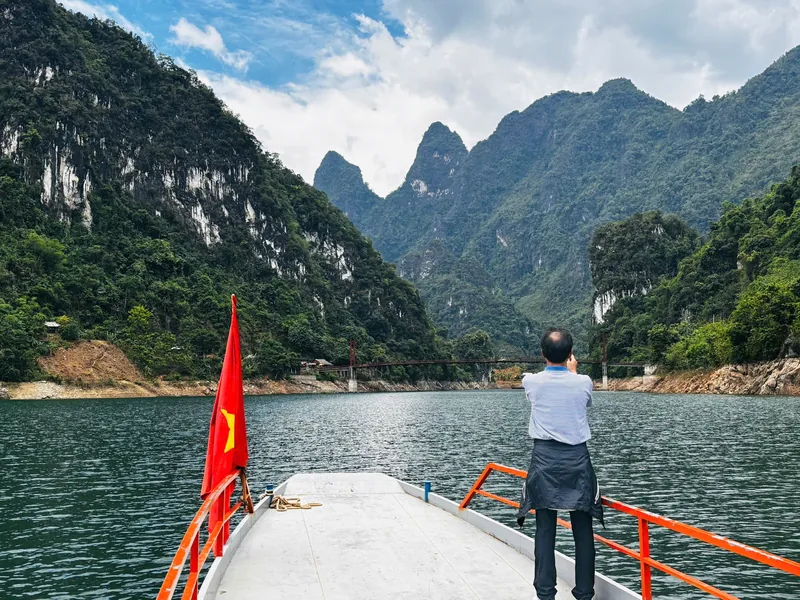
History · Sites
Battlefield sites
Each 1954 site in the valley explained, with current opening hours, fees and visiting order.
Read more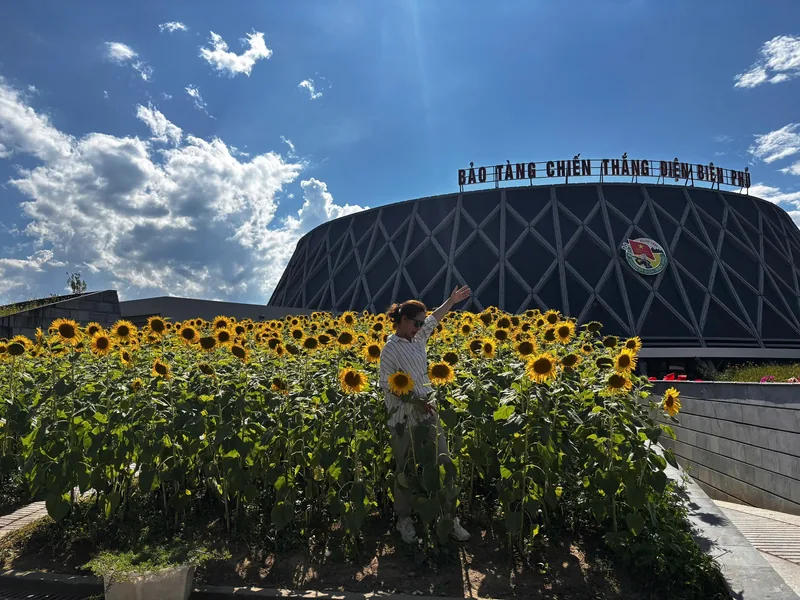
History · Background
The 1954 battle
The battle in brief: background, the 56 days, losses on both sides, and how it is remembered.
Read more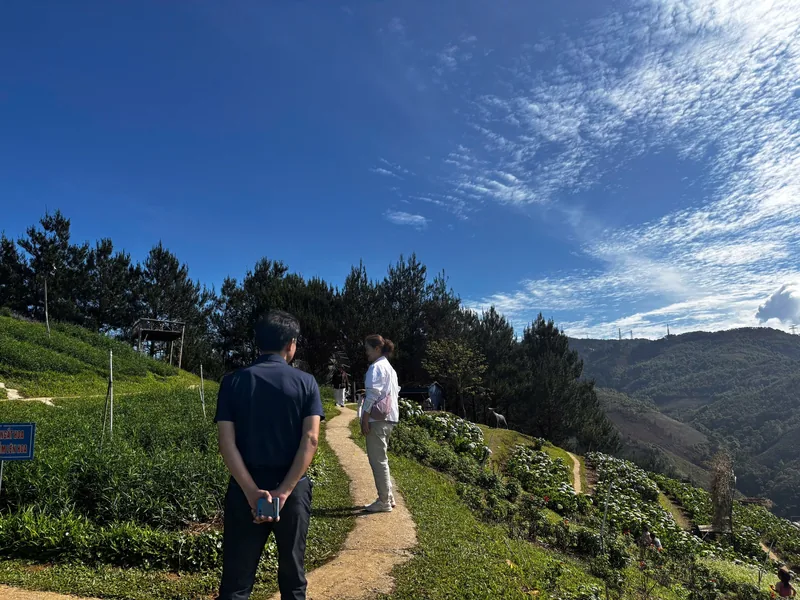
People · Villages
Villages and markets
Who lives where in Dien Bien, community tourism villages, market days and visitor etiquette.
Read more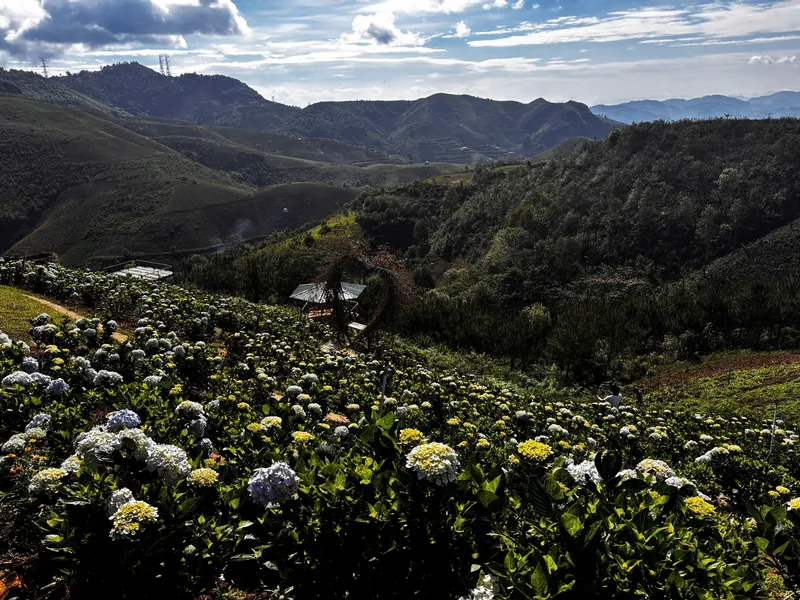
Places
Places
The four main areas of Dien Bien province side by side: distance, time needed and who should skip them.
Read more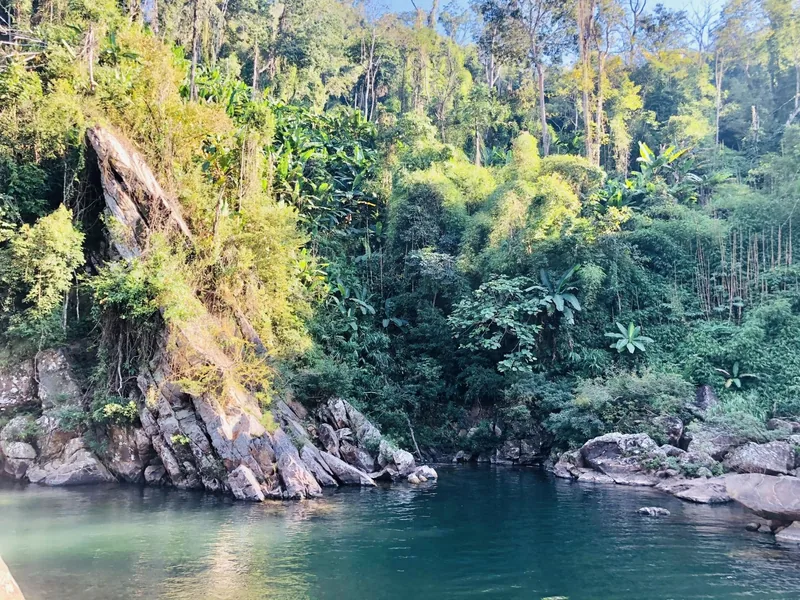
Planning · Days
How many days
Sample plans for one to five days in Dien Bien, and how arrival, opening hours and seasons change them.
Read more
Start planning
Send a correction or a question
Tell us which page you are writing about, what you found and when. A link to an official notice or a photo of a sign helps us check it.