 The 1954 battlefield, mountain roads and villages of Dien Bien, explained in English
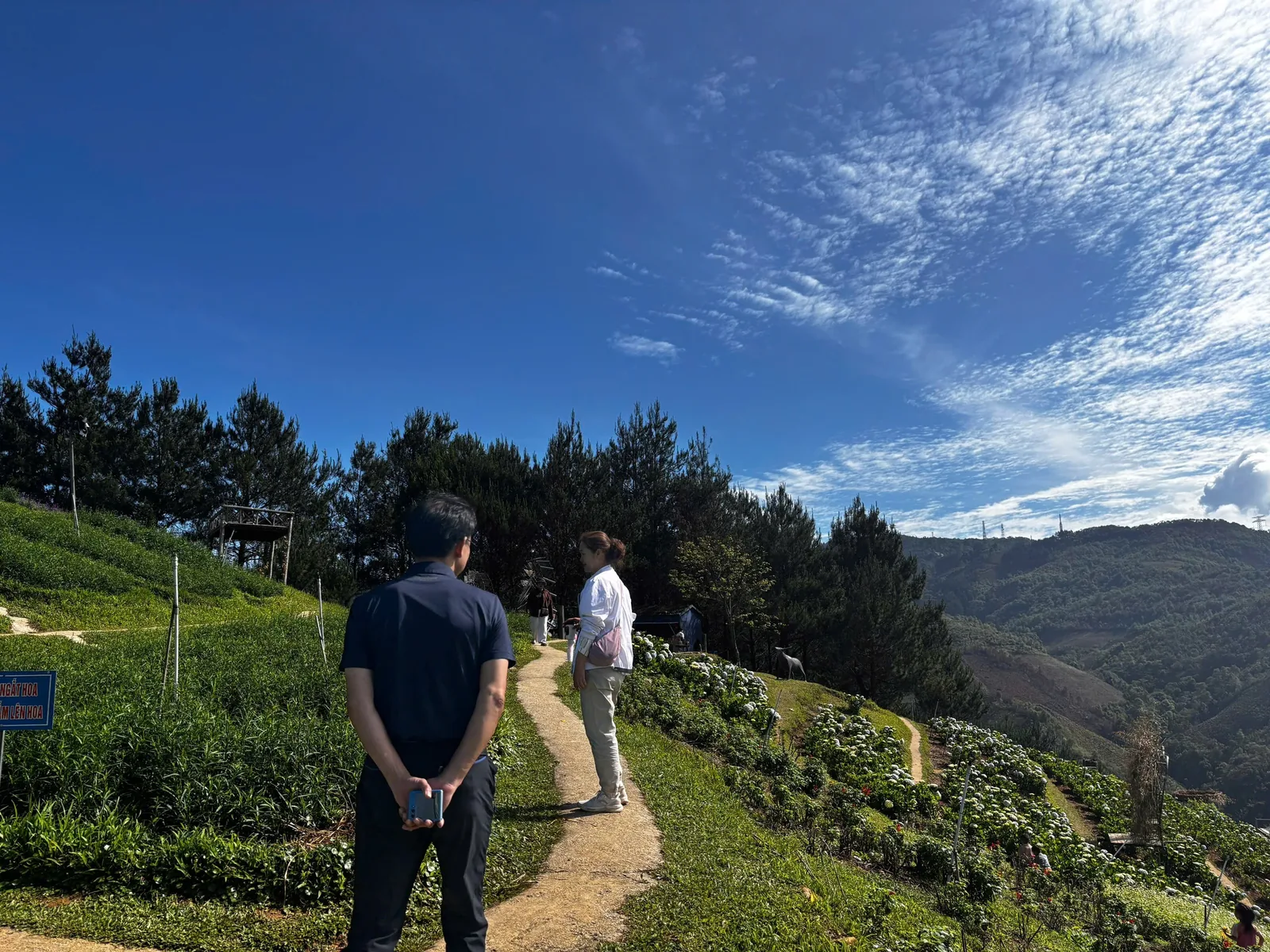
People · Villages
Thai, Hmong and Khmu villages, and how to visit them
Dien Bien is home to 19 ethnic groups. Thai villages line the valleys, Hmong communities farm the high slopes, and Khmu, Dao, Ha Nhi and others live across the province. This page explains who lives where, which villages welcome visitors, how markets work and the etiquette that matters.
Who lives in Dien Bien
The province has 19 ethnic groups. The Thai are the largest group in the Muong Thanh valley; the valley's old Thai name is Muong Then. Kinh, the Vietnamese majority, live mostly in Dien Bien Phu and other towns. The Hmong, divided into five branches known by colour (White, Flower, Red, Black and Green Hmong), live mostly in the higher mountains. Smaller communities include the Khmu, Dao, Ha Nhi, Lao, Khang, Cong and others.
| Group | Where you are likely to meet them | Things visitors notice |
|---|---|---|
| Thai (Black and White Thai) | Valleys around Dien Bien Phu, Muong Phang, Muong Lay | Stilt houses, xoe circle dance, rice farming |
| Hmong | High slopes and plateaus, such as Tua Chua | Maize and tea fields, markets, embroidered clothing |
| Khmu | Hill villages, including around Muong Phang | Tom narrative singing, bamboo dances |
| Ha Nhi | The far west, around Muong Nhe and A Pa Chai | New year in December, earthen houses |
| Kinh | Towns | Shops, hotels, transport |
These are broad patterns, not boundaries. Many villages are mixed, and many people, especially younger people, move between village and town for work and school.
Sources: VietnamPlus — history and geography of Dien Bien province; Wikipedia — Muong Thanh Valley; Vietnamese Institute of Musicology — Thai, Hmong and Khmu folk music in Dien Bien; People's Army newspaper — community-based tourism in Dien Bien; Nhan Dan — up to Marker Zero on Khoan La San (April 2024) · last checked .
Thai villages and stilt houses
Thai villages usually sit at the edge of the valley floor, with houses raised on wooden stilts, facing fields or water with hills behind. The space under the house is used for storage and animals; the family lives upstairs. The Art of Xoe dance of the Tai people, a circle dance in which dancers join hands to the sound of gongs, drums, lutes and mouth organs, was inscribed by UNESCO in 2021 and is still performed at weddings, festivals and village events.
Several Thai villages near Dien Bien Phu take part in community tourism, where families host visitors for meals and overnight stays. Villages named in provincial and national sources include Phieng Loi, in the former Thanh Minh commune on the edge of town, Men in Thanh Nua, Che Can in Muong Phang, and Na Su near the border at Nam Po. Earlier cultural model villages included Noong Bua, Co My, Ten, U Va, Pe Luong and Him Lam 2.
Sources: UNESCO — Art of Xoe dance of the Tai people in Viet Nam; People's Army newspaper — community-based tourism in Dien Bien; Vietnam National Authority of Tourism — Che Can village (2012) · last checked .
Hmong communities
Hmong villages are typically higher, on slopes and plateaus, with houses built at ground level. Many families grow maize, rice on terraces, and, around Tua Chua, tea from old Shan Tuyet trees. Music is part of daily and ritual life: researchers recording Black Hmong music in Dien Bien in 2023 documented the khen pipes, flutes, leaf instruments and a form of call-and-response singing through bamboo tubes.
Hmong villages are less set up for visitors than the Thai community tourism villages near town. A respectful visit means going with a local guide or someone who speaks Hmong or Vietnamese, staying on paths, and not entering houses unless invited.
Sources: Vietnamese Institute of Musicology — Thai, Hmong and Khmu folk music in Dien Bien; Viet Nam News — Tua Chua, Dien Bien's unpolished gem (2018) · last checked .
Khmu and other groups
The Khmu are a smaller group living in hill villages across the province, including the communes of Pa Thom, Muong Phang and Muong Muon, where rain-praying ceremonies are held. Their Tom narrative singing and bamboo dances are documented by music researchers, who note that many traditional forms are blending with Thai and Kinh music.
In the far west, Ha Nhi communities celebrate their new year on the first dragon day of December, after the harvest. Other groups with their own festivals include the Cong, with a rain-praying ceremony, and the Khang. These events are community occasions; if you are invited, follow your host's lead.
Sources: Vietnamese Institute of Musicology — Thai, Hmong and Khmu folk music in Dien Bien; People's Army newspaper — community-based tourism in Dien Bien; Nhan Dan — up to Marker Zero on Khoan La San (April 2024) · last checked .
Markets
Highland markets in Dien Bien often run on a cycle rather than a fixed weekday. The market at Ta Sin Thang near Tua Chua is reported to run every six days, and the market in the A Pa Chai area on the 3rd, 13th and 23rd of each month. Ask at your accommodation the day before. Markets are busiest early in the morning and wind down by midday.
Markets are for local trade: livestock, seed, tools, clothes and food. Visitors are welcome, but remember that people are shopping, not performing. Buy something if you want to photograph a stall, and do not block narrow lanes with groups.
Sources: Viet Nam News — Tua Chua, Dien Bien's unpolished gem (2018); VnExpress — Dien Bien travel handbook (December 2023) · last checked .
Etiquette that matters
- Ask before you photograph anyone, especially children, the elderly and people at prayer or in ceremonies. A gesture and a smile are enough to ask; accept a no.
- Do not give money or sweets to children. It encourages begging and missing school. If you want to help, buy from adults or support a local school through an established channel.
- Cover shoulders and knees in villages and at memorials and temples.
- Take your shoes off before entering a house, and look for shoes at the door as a sign.
- Do not touch people's heads, including children's, and do not point your feet at people or at altars.
- In a stilt house, do not sit or step near the family altar, and wait to be shown where to sit.
- If a branch or sign is placed at a village entrance, it may mean a ceremony is under way; ask before entering.
- Buy handicrafts directly from the people who make them, bargain politely, and never buy wildlife products.
Rice wine is often offered to guests. Accepting a first cup is polite; you can decline further cups with a smile and a hand over the cup. Do not drink and then ride.
Sources: Travel Sense Asia — Vietnam responsible travel guide · last checked .
Festivals worth timing a visit around
The ban flower festival in March is the largest event, with folk performances, sports, food stalls and cultural displays; in 2026 it ran from 6 to 12 March. Village festivals such as Xen Ban in U Va, Co My and Noong Bua are community events tied to the farming year. Exact dates change annually; check with the provincial culture and tourism department or your accommodation.
Sources: Viet Nam News — Ban Blossom Festival 2026 moved earlier; People's Army newspaper — community-based tourism in Dien Bien · last checked .
Who should not visit villages, or not this way
- Anyone expecting a staged cultural show at any hour. These are working communities.
- Visitors who want to photograph people without asking. If that is the aim, it is better not to go.
- Large groups arriving unannounced. Homestays and community tourism villages need notice.
- Travellers unwilling to accept basic facilities in homestays: shared bathrooms and mattresses on the floor are common.
Common questions
Questions readers ask
Can I stay overnight in a Thai village?
Yes. Community tourism villages near Dien Bien Phu, such as Phieng Loi, Men and Che Can, have homestays. Arrange it through your accommodation in town.
Is it rude to take photos in villages?
Photographing landscapes and houses from the path is generally fine. Ask before photographing people every time, and accept a refusal.
Should I bring gifts for children?
No. Giving money or sweets to children encourages begging. Buy from adults or support a school through an established organisation instead.
When is market day?
Many highland markets run on cycles, every six days or on fixed dates of the month, rather than on a weekday. Ask locally the day before.
Related
Read next
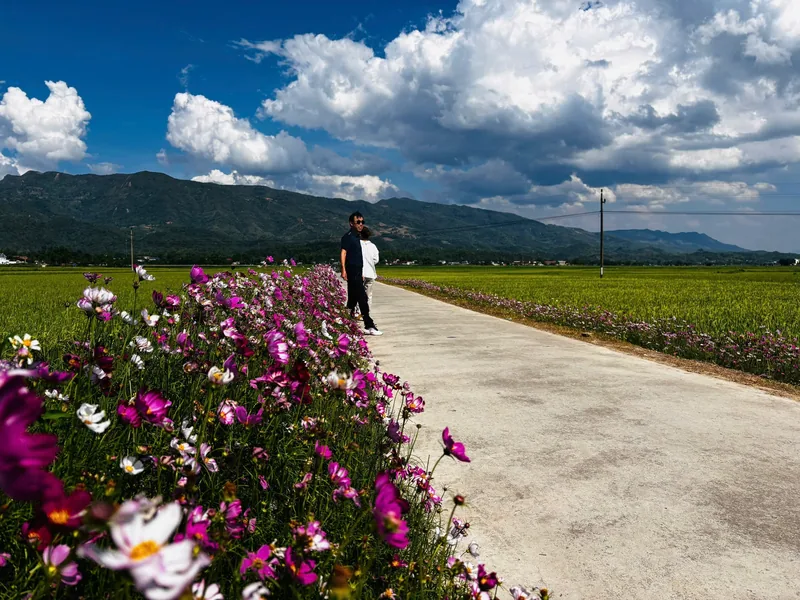
Places · Muong Phang
Muong Phang
The command headquarters in the hills east of Dien Bien Phu, with the nearby village and lake.
Read more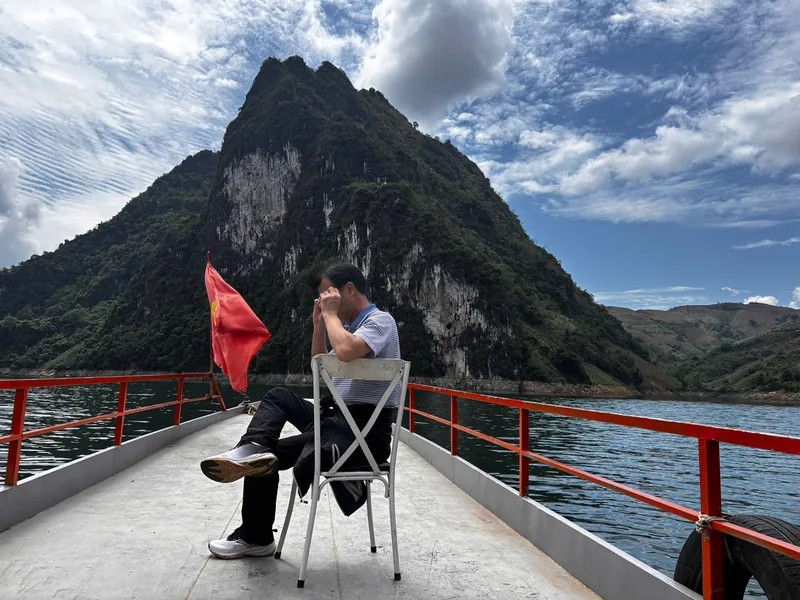
Places · Tua Chua and Muong Lay
Tua Chua and Muong Lay
The northern side of Dien Bien: Tua Chua plateau and tea, Muong Lay and the reservoir, how to fit them in.
Read more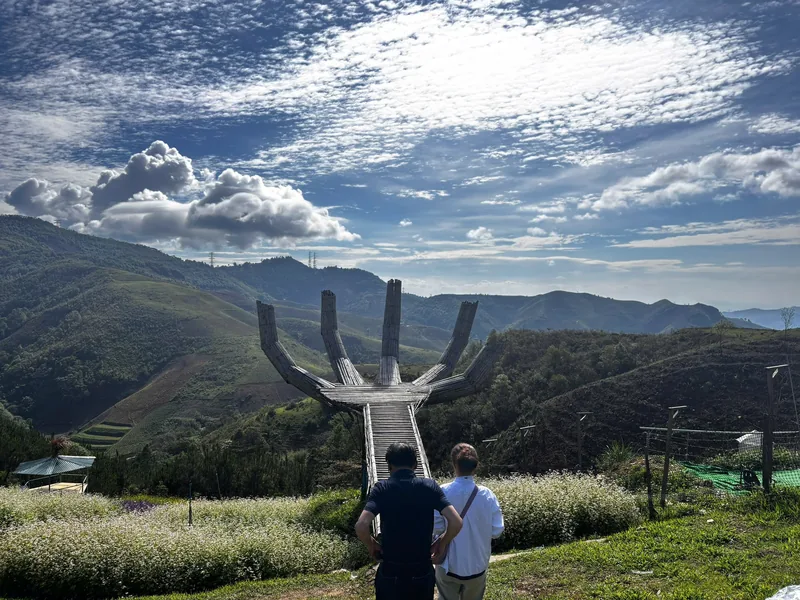
Planning · Seasons
When to go
Dien Bien month by month: dry and wet seasons, ban flowers in March, rice harvests and anniversary dates.
Read more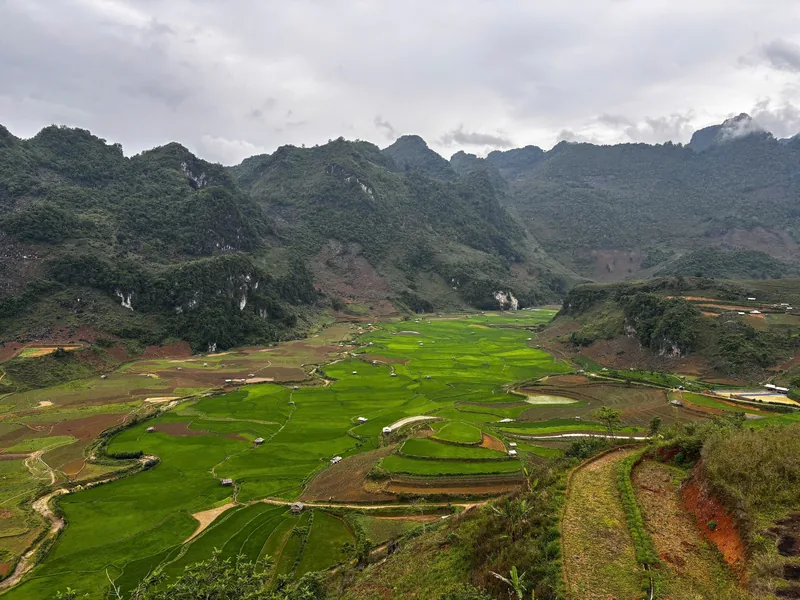
Places · Dien Bien Phu
Dien Bien Phu
The town and valley at the centre of the province: sites, nights, seasons, transport and costs.
Read more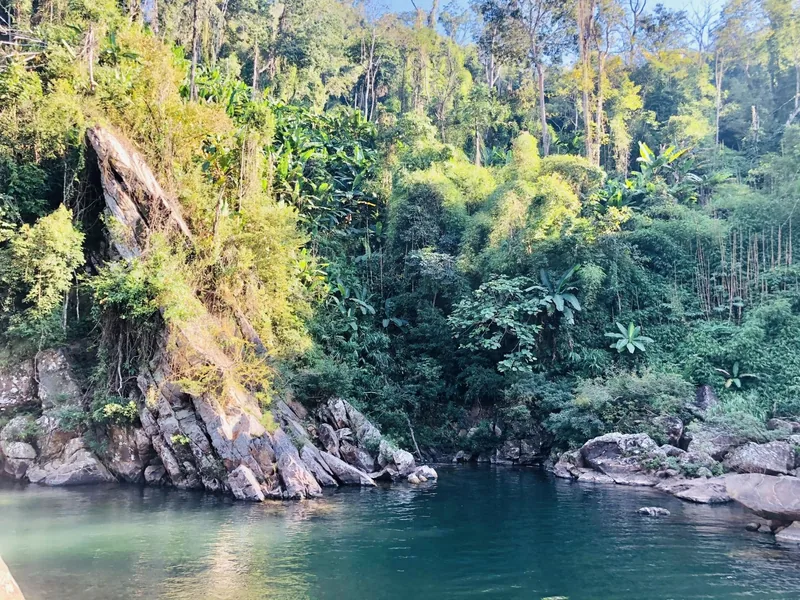
Planning · Days
How many days
Sample plans for one to five days in Dien Bien, and how arrival, opening hours and seasons change them.
Read more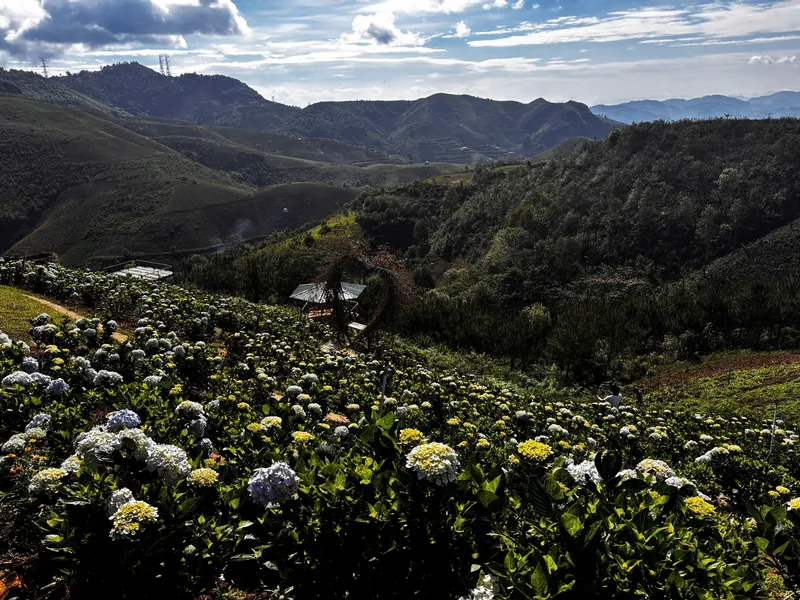
Places
Places
The four main areas of Dien Bien province side by side: distance, time needed and who should skip them.
Read more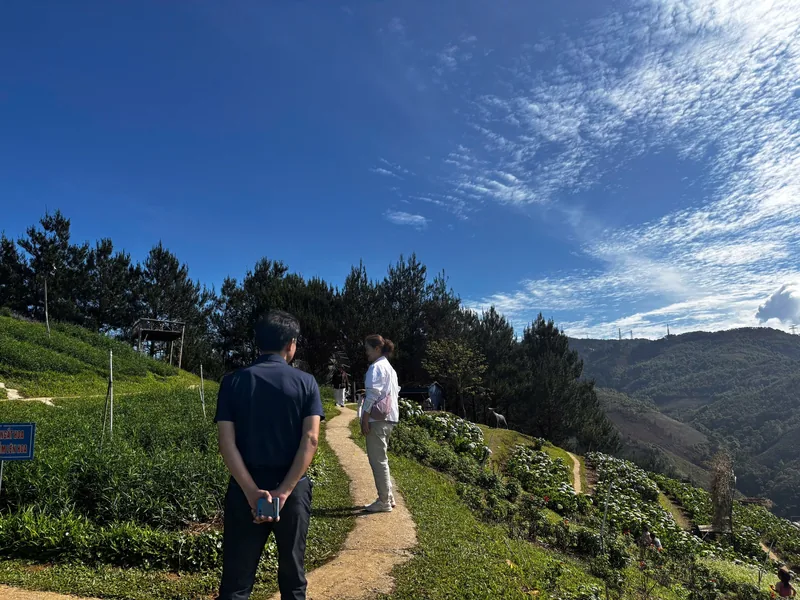
Start planning
Send a correction or a question
Tell us which page you are writing about, what you found and when. A link to an official notice or a photo of a sign helps us check it.